For once, we at CP&DR kind of know how CNN feels.
We have our slow news weeks at CP&DR. But, ever since Donald Trump got back into office, we have rarely lacked for material to put into our weekly news briefs.
For once, we at CP&DR kind of know how CNN feels.
We have our slow news weeks at CP&DR. But, ever since Donald Trump got back into office, we have rarely lacked for material to put into our weekly news briefs.
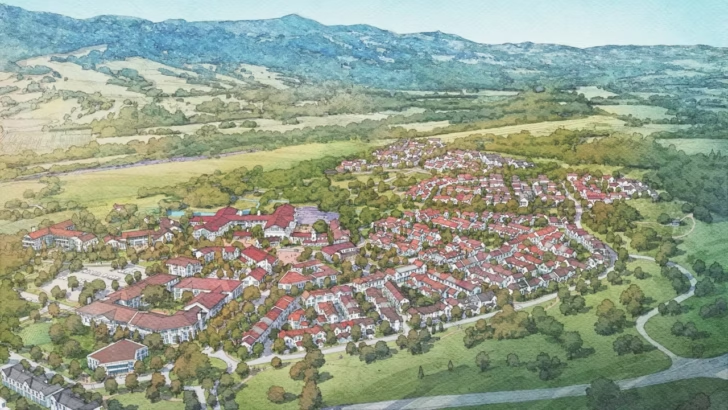
In the 30-plus years since the adoption of the Charter of the New Urbanism, California has been a hotbed of New Urbanist thought. New Urbanist development, on the other hand, has been scarce. Despite the growing popularity of form-based code and other New Urbanist-ish regulations, California has no Seaside (Florida) or Culdesac (Arizona).
That may be changing, at least in Sonoma County.
In one of the more famous sketches from the television show “Portlandia,” the excessively twee solution to all design questions is to “put a bird on it.” Lunchboxes, lamps, tea pots, and tote bags all end up with appliqué birds.
California’s Surplus Land Act takes roughly the same approach.
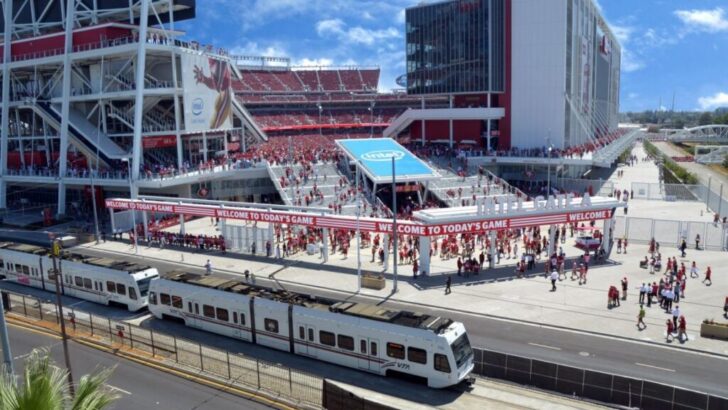
In both the Bay Area and Los Angeles area, the regions’ notoriously heavy vehicular traffic and robust public transit networks are expected to render the World Cup a non-event, at least from a logistical standpoint.
Across the country, stakeholders are protesting and decrying the development of data centers, which are being built at a torrid pace. But, those protests rarely prevail. Not so in Monterey Park. There, voters resoundingly approved a measure–86% to 14%–to ban the development of data centers, including at least one that was nearly shovel-ready. It may be the first official battle in the resistance against data centers, and it surely will not be the last.

In no way does the City of Monterey Park — a Los Angeles suburb known as a hub of the Chinese-American community — resemble the State of Maine. And yet, both have adopted an au …
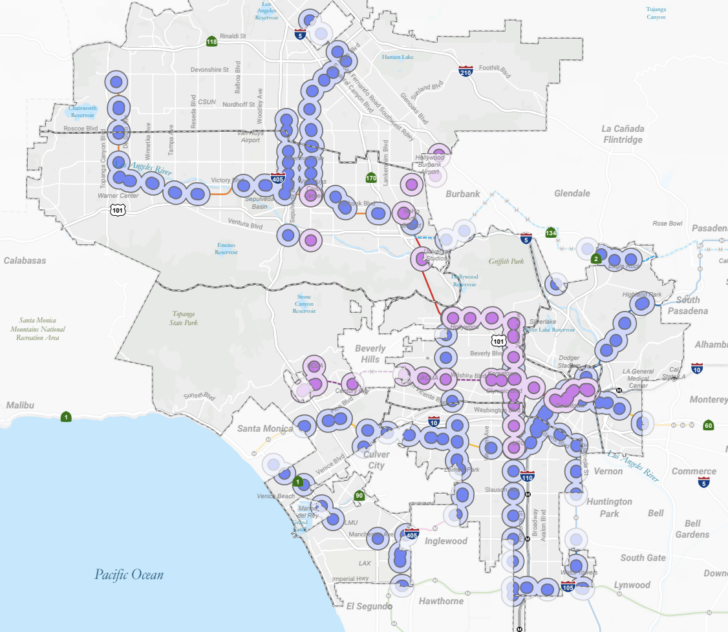
The largest upzoning in the history of California will drop on select cities July 1. Collectively, SB 79 will increase the state’s zoned capacity by several million units.
The promise of jobs and economic development has pushed jurisdictions to embrace warehouses by the millions of square feet — totaling over 1.17 billion square feet of warehouse space in southern California alone. Meanwhile, local opponents remain vigilant.
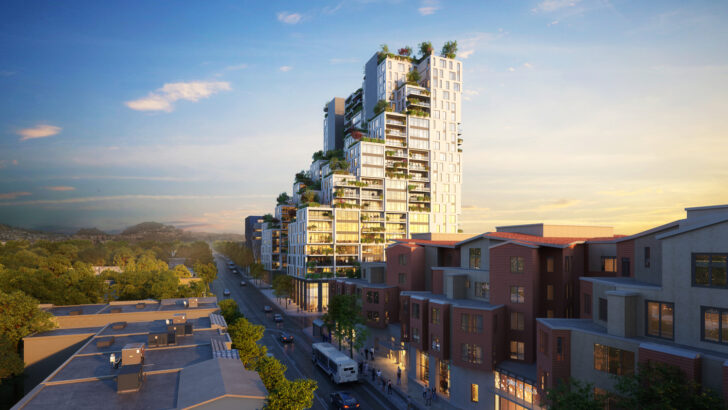
Due to a recent confluence of new laws and economic conditions, high-rises are being proposed, approved, and built in some unusual places.
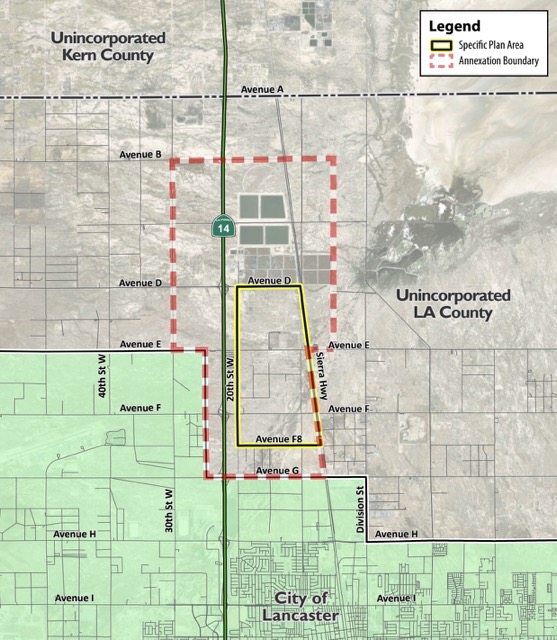
An annexation and zoning plan that would constitute the most dramatic expansion of a California city in recent memory will, most likely, be more incremental than monumental.
Planners are not necessarily trained to address wildfires, and firefighters are not necessarily trained to understand urban planning. Yet, a new initiative bridges the gap. The program’s directors offer insight into its national importance, the organization’s future, and winning an APA award.
Newport Beach City Council votes to introduce a measure that would reduce allowable new housing below the target required by the city’s Housing Element, which will appear on the November 2026 ballot.
The 682-unit project was declared exempt from CEQA and apparently met the city’s objective design standards. The city council voted against it anyway.
Voters resoundingly favored new housing in Santa Cruz and Sausalito, two cities that have historically had strong anti-growth movements.
The Cities of Santa Cruz and Sausalito present voters with land-use ballot measures intended to promote affordable housing. However, the approach varies with measures in Santa Cruz revolving around increased taxes on property sales, while Sausalito focuses on localized zoning.
Local control advocates are pushing the Our Neighborhood Voices ballot measure again
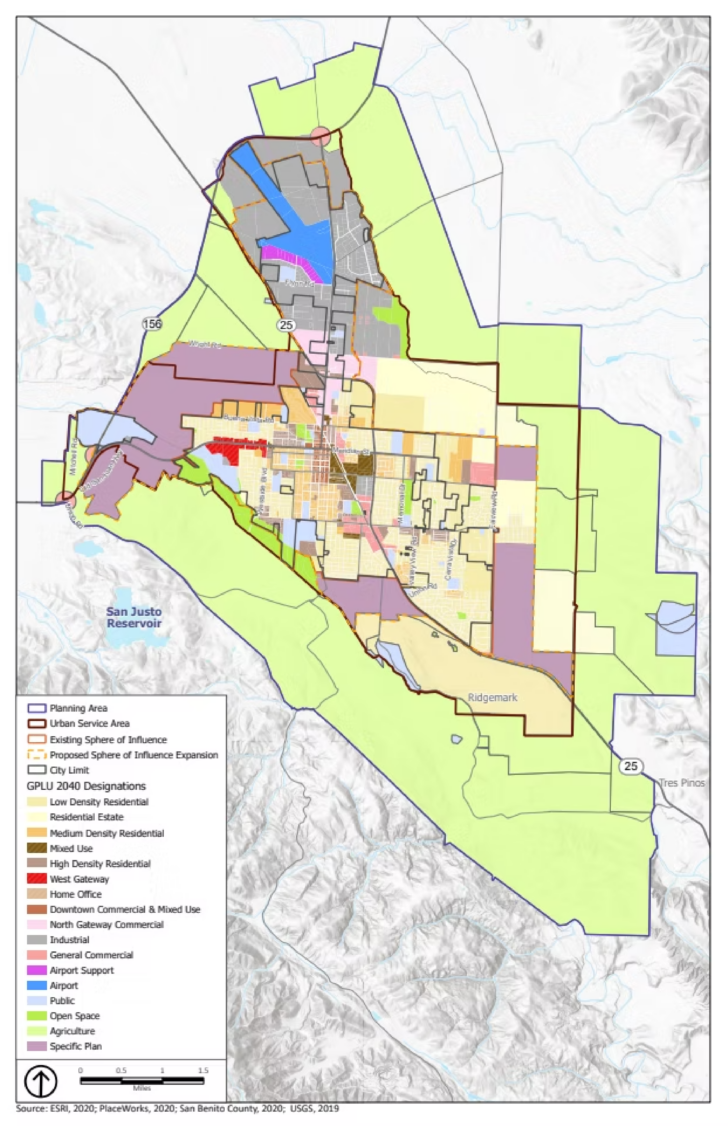
In an odd turn of events, the City of Hollister rescinded its own general plan in advance of a referendum